How Instrument Rental Programs Help More People Participate in Community Music
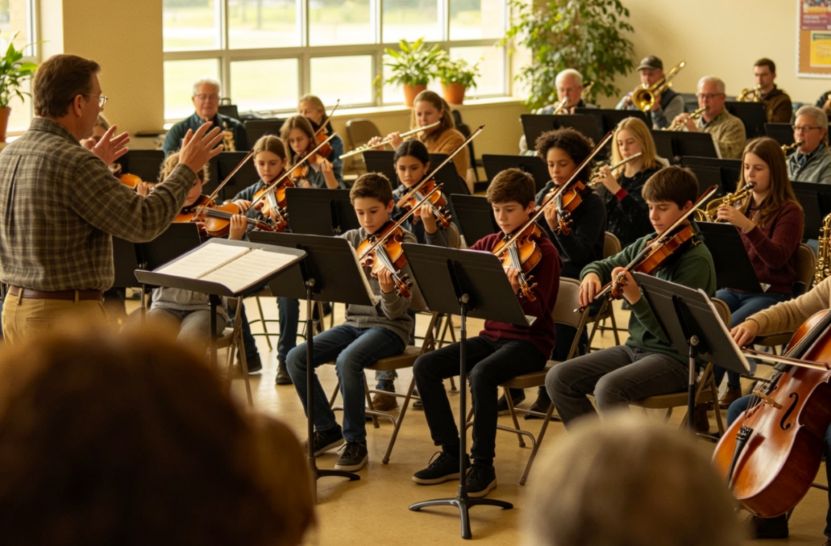
Millions of children and adults take part in music education and community ensembles every year, yet the cost of purchasing an instrument remains one of the most common barriers to getting started. Research from National Association for Music Education (NAfME) and The NAMM Foundation highlights that access to affordable instruments plays an important role in expanding music participation, especially among beginners and families.
Choosing between renting and buying often depends on personal goals, experience, and budget. For many new musicians, services such as violin rental Bulverde demonstrate how community-based rental programs can make quality instruments available without requiring a large upfront investment. These programs help students, parents, and returning musicians begin learning with greater confidence while supporting participation in local music programs.
Why Instrument Access Matters
Music education delivers benefits that extend well beyond learning to play an instrument. Studies published by Harvard Graduate School of Education and research supported by NAfME suggest that music instruction contributes to cognitive development, discipline, teamwork, and creative problem-solving. Community orchestras, school bands, youth ensembles, and local music groups all depend on making participation accessible.
Unfortunately, quality instruments can be expensive. A beginner violin, clarinet, trumpet, or cello often represents a significant financial commitment, particularly for families with multiple children. Rental programs reduce this barrier by allowing students to start lessons without purchasing equipment immediately.
Renting Versus Buying for Beginners
For someone learning an instrument for the first time, renting often provides greater flexibility than purchasing.
Advantages of Renting
- Lower upfront costs compared with buying.
- Opportunity to learn before making a long-term investment.
- Access to properly adjusted instruments suitable for beginners.
- Many rental agreements include maintenance or repair services.
- Ability to upgrade as the student grows or develops new skills.
Experts from The NAMM Foundation note that beginners benefit from using instruments that are properly sized and professionally maintained. Starting with reliable equipment encourages consistent practice and reduces frustration caused by mechanical problems.
Advantages of Buying
- Long-term ownership.
- No recurring rental payments.
- Freedom to customize or modify the instrument.
- Potentially lower overall cost after many years of use.
Buying generally makes more sense when a musician has demonstrated long-term commitment and knows the instrument will continue to be used for several years.
Helping Families Manage Costs
Families often face changing interests as children explore different activities. A student may begin with violin before eventually choosing another instrument or developing different hobbies. Purchasing an expensive instrument too early can become a financial risk if those interests change.
Rental programs provide an affordable way to explore music without placing unnecessary pressure on household budgets. Monthly payments are easier to manage than large one-time purchases, allowing families to allocate resources toward lessons, music books, and participation in school or community performances.
Reports from The U.S. Department of Education continue to emphasize the importance of equitable access to arts education. Affordable rental options support this goal by helping more students participate regardless of financial circumstances.
A Practical Choice for Returning Musicians
Adults who played an instrument years ago often return to music after college, retirement, or career changes. Many hesitate to buy an instrument immediately because they are unsure how frequently they will practice.
Renting offers a practical way to reconnect with music while minimizing financial commitment. Returning players can rebuild their skills, join community ensembles, or participate in local orchestras before deciding whether ownership makes sense.
This flexibility also benefits adults interested in trying an entirely new instrument without making a major purchase.
Maintenance Makes a Difference
Musical instruments require regular care to perform properly. String instruments need bow rehairing, string replacement, and periodic adjustments. Wind instruments require cleaning, pad replacement, and occasional repairs.
Findings from The Violin Society of America and professional instrument technicians show that routine maintenance preserves sound quality and extends the life of an instrument. Many rental programs include maintenance as part of the agreement, reducing unexpected expenses for families and students.
This support gives beginners peace of mind because small repairs can often be handled professionally without additional costs that might otherwise discourage continued participation.
Access to Better Quality Instruments
Another important difference between renting and purchasing involves instrument quality.
A very inexpensive instrument purchased online may appear to save money, yet poor craftsmanship can affect tuning stability, playability, and sound. Teachers frequently recommend instruments that meet minimum quality standards because they allow students to develop proper technique.
Many rental providers supply instruments that have been inspected, adjusted, and prepared for educational use. This improves the learning experience and allows instructors to focus on teaching instead of correcting equipment problems.
Supporting Community Music Programs
Rental services contribute to stronger local music communities by helping schools, youth orchestras, churches, and neighborhood ensembles welcome more participants.
Research from The NAMM Foundation indicates that communities with greater access to music education often experience stronger participation in local performances and lifelong musical engagement. Affordable access allows beginners to join school ensembles, while adults can participate in civic orchestras, chamber groups, and volunteer music organizations. Local outreach also plays an important role in sustaining public interest, and community music engagement through local radio shows how broadcasters continue connecting audiences with local artists, performances, and cultural events despite the rise of streaming platforms.
As more people gain access to quality instruments, community concerts become more diverse and inclusive. Music programs benefit from larger membership, while audiences enjoy performances that reflect broader community involvement.
Choosing the Right Option
There is no single answer that fits every musician. The best choice depends on several factors.
- Rent if you are new to music, uncertain about long-term commitment, or want predictable monthly costs.
- Buy if you have years of experience, plan to perform regularly, or intend to keep the instrument for many years.
- Consider maintenance, upgrade options, and teacher recommendations before making a decision.
- Compare total long-term costs alongside the immediate financial commitment.
Speaking with music teachers and reputable instrument specialists can help families make informed decisions based on individual needs rather than price alone.
Conclusion
Affordable access remains one of the strongest ways to encourage participation in community music. Rental programs lower financial barriers, provide professionally maintained instruments, and give beginners the freedom to learn without making a large investment. Purchasing continues to be an excellent option for committed musicians, yet renting offers flexibility that supports students, families, and returning performers alike.
As schools, community ensembles, and local arts organizations continue expanding opportunities for music education, accessible instrument rental programs will remain an important part of helping more people discover the lifelong rewards of making music together.


